
Nicotiana Rustica (Aztec Tobacco): Hardy, Traditional, and Ceremonial Variety
Among the many tobacco species cultivated throughout history, few carry the cultural significance and distinctive character of Nicotiana rustica. Often referred to as Aztec tobacco, this ancient variety has been grown for centuries across the Americas for ceremonial, spiritual, and traditional purposes.
Known for its resilience, high potency, and striking appearance, Nicotiana rustica continues to attract gardeners, collectors, and traditional plant enthusiasts alike—especially those interested in heirloom and ceremonial tobacco varieties.
What Is Nicotiana Rustica?
Nicotiana rustica is one of the oldest cultivated tobacco species in the world. Unlike the milder commercial tobacco varieties commonly used today, rustica is a more primitive and powerful tobacco plant with deep roots in Indigenous traditions throughout Central and South America.
It is sometimes called:
- Aztec tobacco
- Sacred tobacco
- Mapacho (in some South American traditions)
- Makhorka (in Russia)
- Wild tobacco
Historically, it was cultivated long before modern commercial tobacco farming emerged.
A Hardy Tobacco Variety for Northern Growers
One reason Nicotiana rustica remains popular among Canadian and northern growers is its remarkable hardiness.
Compared to many commercial tobacco strains, rustica:
- Germinates quickly
- Tolerates cooler conditions better
- Grows vigorously
- Adapts well to shorter growing seasons
For growers in Canada, this can make it an attractive option for home gardens and small-scale cultivation.
The plants are typically:
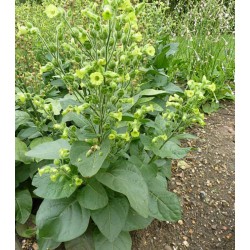
- Shorter and bushier than commercial tobacco
- Broad-leafed with bright green foliage
- Covered in clusters of small yellow flowers
Traditional and Ceremonial Importance
For many Indigenous cultures, tobacco is not simply a crop—it is a sacred plant used in ceremony, prayer, and offerings.
Nicotiana rustica has historically been used in:
- Spiritual rituals
- Sacred pipe ceremonies
- Prayer offerings
- Cleansing practices
- Traditional medicine systems
In many traditions, tobacco smoke is believed to carry prayers or intentions to the spiritual world. Because of this, ceremonial tobacco is treated with respect and intention rather than casual consumption.
It is important to approach these traditions thoughtfully and respectfully, recognizing that many ceremonial practices are culturally specific and deeply meaningful.
How Rustica Differs from Commercial Tobacco
One of the biggest differences between Nicotiana rustica and modern commercial tobacco is potency.
Rustica contains significantly higher natural nicotine levels than common commercial tobacco species such as Nicotiana tabacum. Because of this, it has historically been used sparingly and intentionally.
Other differences include:
| Nicotiana Rustica | Commercial Tobacco |
|---|---|
| Ancient heirloom species | Modern cultivated hybrids |
| High nicotine content | Lower nicotine content |
| Small yellow flowers | Pink or white flowers common |
| Hardy and fast-growing | Often more climate-sensitive |
| Traditional and ceremonial uses | Commercial production |
Growing Nicotiana Rustica
Rustica is relatively easy to grow from seed, making it appealing for beginner gardeners.
Basic Growing Tips
- Start seeds indoors 6–8 weeks before last frost
- Do not bury seeds deeply—they need light to germinate
- Keep soil warm and moist
- Transplant outdoors after frost danger passes
- Plant in full sun for best growth
Because the seeds are extremely tiny, gentle watering and patience during early growth are important.
Once established, the plants grow surprisingly fast.
Why Gardeners Still Grow Rustica Today
Modern interest in heirloom gardening and traditional plants has helped revive appreciation for Nicotiana rustica. Growers are often drawn to it because of its:
- Historical significance
- Fast growth
- Ornamental appearance
- Connection to traditional cultivation practices
For some, growing rustica is about preserving botanical history as much as gardening itself.
Final Thoughts
Nicotiana rustica stands apart from modern tobacco varieties as a plant deeply connected to history, ceremony, and traditional cultivation. Hardy, vigorous, and culturally significant, it continues to be appreciated by growers seeking something more ancestral and meaningful than commercial tobacco strains.
Whether grown for educational interest, heirloom preservation, or traditional gardening, Aztec tobacco remains one of the most fascinating tobacco varieties still cultivated today.
Related Products
Leave a Comment