
A Complete Guide to Ceremonial Tobacco Varieties and Their Uses
Ceremonial tobacco has been used for thousands of years as a sacred plant across many Indigenous cultures around the world. Unlike commercial tobacco products, ceremonial tobacco is not about addiction, recreation, or habit—it is about intention, prayer, and connection. Understanding the different varieties of ceremonial tobacco and their traditional uses helps preserve cultural respect and prevents misuse of a plant that many consider a living relative rather than a commodity.
This guide explores the most common ceremonial tobacco varieties, their origins, and how they are traditionally used.
What Is Ceremonial Tobacco?
Ceremonial tobacco refers to natural, traditionally cultivated tobacco plants used in spiritual, ritual, or cultural practices. It is typically grown without chemical additives and handled with reverence. In many Indigenous traditions, tobacco is regarded as one of the first or most sacred medicines, used to carry prayers to the spirit world.
Ceremonial tobacco is distinct from commercial cigarettes or chewing tobacco, which often contain additives, preservatives, and nicotine enhancements that strip the plant of its original spiritual role.
The Sacred Role of Tobacco in Ceremony
Across Indigenous cultures of the Americas, tobacco is used to:
-
Offer prayers and gratitude
-
Ask permission from the land, plants, or spirits
-
Seal agreements or promises
-
Cleanse spaces or individuals
-
Open and close ceremonies
Tobacco is often offered before harvesting plants, seeking guidance from elders, or beginning important journeys—physical or spiritual.
Primary Ceremonial Tobacco Varieties
1. Nicotiana rustica (Mapacho, Aztec)
Origin: Central and South America
Strength: Very high nicotine content
Common Uses: Prayer, shamanic rituals, cleansing
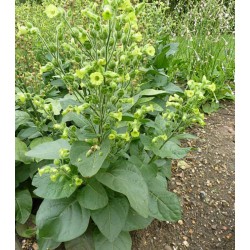
Nicotiana rustica, often called Mapacho or Aztec, is one of the most powerful ceremonial tobaccos. It contains significantly more nicotine than commercial tobacco varieties and is traditionally used by Amazonian and Andean cultures.
Mapacho is commonly:
-
Smoked in small quantities during ceremonies
-
Brewed into ritual liquids (under strict traditional guidance)
-
Used as a spiritual cleanser or protective plant
Because of its potency, it is never used casually and is handled with great respect.
2. Nicotiana tabacum (Sacred Tobacco)
Origin: North and South America
Strength: Moderate
Common Uses: Offerings, prayer ties, pipe ceremonies
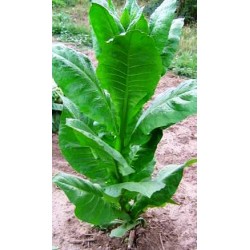
This is the most widely recognized ceremonial tobacco in North America. While Nicotiana tabacum is also the species used in commercial tobacco, ceremonial strains are grown naturally and without additives.
Traditional uses include:
-
Filling sacred pipes during ceremonies
-
Creating tobacco ties or prayer bundles
-
Making offerings to the land or water
When used ceremonially, the focus is on intention rather than inhalation.
3. Kinnikinnick (Traditional Tobacco Blends)
Origin: North America
Strength: Varies (often low or nicotine-free)
Common Uses: Smoking mixtures, prayer, ceremony
Kinnikinnick is not a single plant but a blend of herbs traditionally mixed with or used instead of tobacco. Common ingredients include:
-
Red willow bark
-
Bearberry leaves
-
Sage or sumac
These blends were often used when tobacco was scarce or to soften its strength. Some kinnikinnick mixtures contain no tobacco at all, yet still carry ceremonial significance.
4. Wild or Heirloom Tobacco Varieties
Origin: Region-specific
Strength: Varies
Common Uses: Local ceremonies, ancestral practices
Some communities cultivate heirloom tobacco strains passed down through generations. These plants may be uniquely adapted to local climates and spiritual traditions.
Uses often include:
-
Seasonal ceremonies
-
Ancestral rites
-
Community gatherings
These varieties are rarely sold commercially and are often shared through cultural relationships rather than markets.
Common Ceremonial Uses of Tobacco
Tobacco Offerings
Loose tobacco or tobacco ties are offered to the earth, water, fire, or elders as a sign of respect and gratitude.
Pipe Ceremonies
Sacred pipes are filled with ceremonial tobacco and smoked in a ritualized manner. The smoke is believed to carry prayers upward.
Prayer Ties and Bundles
Small amounts of tobacco wrapped in cloth are used to hold prayers or intentions and placed in meaningful locations.
Cleansing and Protection
Smoke or symbolic use of tobacco may be employed to cleanse energy or protect participants during ceremonies.
Ethical Considerations and Cultural Respect
It is important to recognize that ceremonial tobacco is deeply tied to Indigenous spiritual traditions. Misuse or commercialization without understanding or permission can be harmful.
Respectful guidelines include:
-
Avoid using ceremonial tobacco recreationally
-
Learn from Indigenous sources whenever possible
-
Do not appropriate ceremonies or rituals
-
Treat tobacco as a sacred plant, not a product
If you are not part of a tradition that uses ceremonial tobacco, it is best to engage through education, observation, or guided experiences led by knowledge keepers.
Final Thoughts
Ceremonial tobacco is far more than a plant—it is a bridge between the physical and spiritual worlds for many cultures. Each variety carries its own history, strength, and role within ceremony. By learning about these traditions with humility and respect, we help preserve the cultural integrity of one of humanity’s oldest sacred medicines.
Whether encountered through study, ceremony, or cultural exchange, ceremonial tobacco reminds us that plants can be teachers—and that intention matters as much as action.
Related Products


Leave a Comment