The Difference Between Herbal Teas and Traditional Tea Leaves
Tea is one of the most loved beverages in the world, enjoyed for its flavor, comfort, and health benefits. But not everything we casually call “tea” is actually tea in the traditional sense. If you’ve ever wondered about the difference between herbal teas and traditional tea leaves, you’re not alone. While both are brewed in hot water and served in similar ways, they come from very different sources and offer distinct experiences.
Let’s explore what sets them apart.
What Are Traditional Tea Leaves?
Traditional tea comes from a single plant: Camellia sinensis. All true teas—no matter how different they seem—are made from the leaves of this plant. The variety depends on how the leaves are processed after harvesting.
Some common types of traditional tea include:
-
Green tea – lightly processed to preserve freshness and antioxidants
-
Black tea – fully oxidized, giving it a bold flavor and dark color
-
Oolong tea – partially oxidized, sitting between green and black tea
-
White tea – minimally processed, delicate and subtle
-
Pu-erh tea – fermented and aged for deep, earthy notes
Traditional teas naturally contain caffeine, although the amount varies by type and brewing method. They are also rich in antioxidants, especially polyphenols, which are often linked to heart health and improved metabolism.
What Are Herbal Teas?
Herbal teas are technically not true teas at all. Instead of tea leaves, they are made by steeping a wide variety of dried plants, including:
-
Leaves (mint, lemon balm, artemisia)
-
Roots (ginger, turmeric)
-
Seeds and spices (fennel, cardamom)
-
Fruits (rosehip, apple pieces)
Because they don’t come from Camellia sinensis, herbal teas are often referred to as herbal infusions or tisanes. Most herbal teas are naturally caffeine-free, making them a popular choice for evening relaxation or for people sensitive to caffeine.
Flavor Differences
Traditional teas tend to have more structured and layered flavors, ranging from grassy and vegetal to malty and smoky. Their taste can change significantly depending on water temperature, brewing time, and leaf quality.
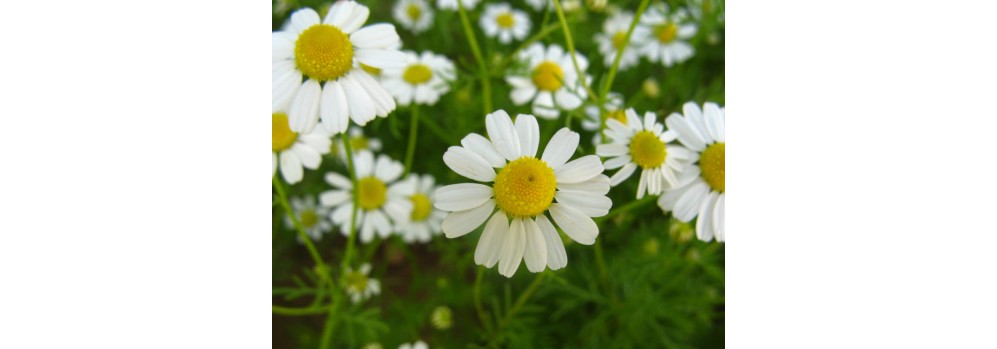
Herbal teas, on the other hand, usually have bold, straightforward flavors that reflect the plant they’re made from. Peppermint tastes minty, chamomile is floral and mild, and ginger teas bring warmth and spice. Many people enjoy herbal teas for their comforting and aromatic qualities.
Health and Wellness Uses
Both types of tea are enjoyed for wellness, but they shine in different ways.
-
Traditional teas are valued for their antioxidants and gentle energy boost from caffeine. Green and black teas are often associated with improved focus, metabolism, and heart health.
-
Herbal teas are frequently chosen for specific purposes, such as aiding digestion, promoting sleep, soothing sore throats, or reducing stress. For example, chamomile is known for relaxation, while ginger tea is popular for digestion and nausea.
It’s worth noting that herbal teas can have strong medicinal effects, so some may interact with medications or may not be suitable for everyone.
Which One Should You Choose?
The choice between herbal teas and traditional tea leaves depends on your needs and preferences:
-
Choose traditional tea if you enjoy classic tea flavors and want a natural energy boost.
-
Choose herbal tea if you’re looking for caffeine-free comfort or targeted wellness benefits.
Many tea lovers enjoy both, switching between them depending on the time of day or mood.
Final Thoughts
While herbal teas and traditional tea leaves may share a cup and a brewing method, their origins, flavors, and effects are quite different. Understanding these differences can help you choose the perfect brew—whether you’re seeking calm, clarity, or simply a delicious moment of pause.
So next time you steep a cup, you’ll know exactly what kind of “tea” you’re really drinking.
Related Products


-250x250w.JPG "Pure Lavender, Herbal Tea")
Leave a Comment