
Are Nightshade Tomatoes Safe to Eat? Myths and Facts
Tomatoes are one of the most popular foods in the world. But because they belong to the nightshade family, some people question whether they’re actually safe to eat.
You may have heard claims that nightshade vegetables cause inflammation, worsen arthritis, or should be avoided entirely. So what’s true — and what’s simply a myth?
Let’s break down the science and separate fact from fiction.
What Are Nightshade Tomatoes?
Tomatoes belong to the plant family Solanaceae, commonly known as the nightshade family. Other members include:
-
Potatoes
-
Eggplants
-
Peppers (including bell peppers and chili peppers)
-
Tomatillos
The term “nightshade” sometimes sounds alarming because certain wild nightshade plants are toxic. However, the edible vegetables we commonly eat are cultivated and safe varieties.
Why Do People Worry About Nightshades?
Concerns usually revolve around two compounds:
1. Solanine and Alkaloids
Nightshade plants naturally produce compounds called alkaloids, such as solanine and tomatine. These substances help protect the plant from pests.
In very large amounts, certain alkaloids can be toxic. However:
-
The levels found in ripe tomatoes are extremely low.
-
You would have to consume unrealistic amounts to experience toxicity.
-
Cooking and ripening reduce alkaloid levels further.
For healthy individuals, these compounds are not a concern.
2. Inflammation Claims
Some sources claim nightshades increase inflammation and worsen autoimmune conditions or arthritis.
The current scientific evidence does not support the idea that tomatoes cause inflammation in the general population. In fact, tomatoes contain anti-inflammatory compounds like:
-
Lycopene
-
Vitamin C
-
Beta-carotene
For most people, tomatoes are more likely to reduce inflammation than cause it.
Myth #1: Nightshade Tomatoes Are Toxic
Fact: Ripe tomatoes are safe to eat.
While certain wild nightshade plants are poisonous, cultivated tomatoes have been safely consumed for centuries. The confusion often comes from the family name rather than actual risk.
Green (unripe) tomatoes contain higher levels of tomatine, but even then, toxicity from normal dietary intake is highly unlikely.
Myth #2: Tomatoes Cause Arthritis
Fact: There is no strong scientific evidence linking tomatoes to arthritis.
This belief became popular decades ago, but controlled studies have not confirmed that nightshades worsen joint pain in most people.
However, individual sensitivities can vary. A small number of people report symptom improvement when eliminating nightshades — but this does not apply universally.
Myth #3: Everyone Should Avoid Nightshades
Fact: Most people tolerate nightshades very well.
Tomatoes are rich in:
-
Antioxidants
-
Fiber
-
Potassium
-
Vitamin C
-
Lycopene (linked to heart health and prostate health)
For the vast majority of people, tomatoes are a nutritious addition to the diet.
Who Might Need to Be Cautious?
While tomatoes are safe for most people, some individuals may choose to monitor their intake:
1. People with Acid Reflux
Tomatoes are naturally acidic and may trigger heartburn in sensitive individuals.
2. Individuals on Elimination Diets
Some autoimmune protocols temporarily remove nightshades to test for sensitivity.
3. Rare Alkaloid Sensitivity
Though uncommon, some people may feel better reducing nightshade consumption.
If you suspect sensitivity, it’s best to test elimination carefully rather than assuming all nightshades are harmful.
Are All Tomatoes the Same?
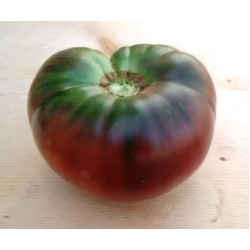
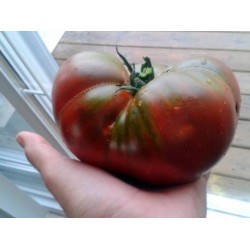
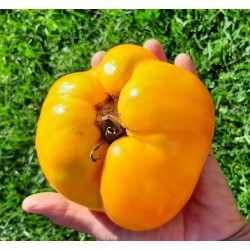
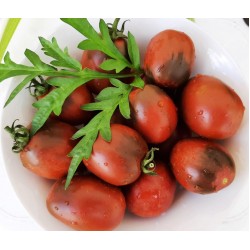
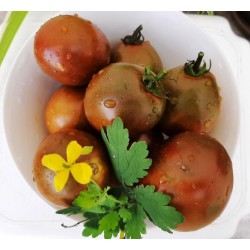
All tomato colors — red, yellow, orange, purple, and even dark varieties like Kumato — belong to the nightshade family.
However, differences exist:
-
Red tomatoes are higher in lycopene.
-
Yellow tomatoes are often lower in acidity.
-
Purple/dark tomatoes may contain anthocyanins.
The color doesn’t change their classification as nightshades — but it can affect flavor and antioxidant profile.
The Bottom Line
Are nightshade tomatoes safe to eat?
Yes — for the vast majority of people, they are completely safe and highly nutritious.
The fear around nightshades largely stems from misunderstandings about plant compounds and outdated claims about inflammation. Unless you have a specific sensitivity, tomatoes offer far more benefits than risks.
As always, listen to your body — but don’t eliminate nutrient-rich foods without a clear reason.
Related Products


Leave a Comment