
Yellow Tomatoes vs Red Tomatoes: Taste, Nutrition, and Cooking Differences
Tomatoes come in far more colors than just red, but yellow tomatoes are often the ones that spark the most curiosity. Are they simply unripe red tomatoes? Do they taste different? And are they better—or worse—when it comes to nutrition and cooking?
The short answer: yellow and red tomatoes are closely related, but they’re not the same. Their flavor, nutrient makeup, and best culinary uses differ in ways that matter to gardeners, cooks, and anyone who loves fresh produce.
Let’s break it down.
Taste Differences: Mild vs Bold
How Yellow Tomatoes Taste
Yellow tomatoes are generally known for their milder, sweeter, and less acidic flavor. Many people describe them as:
-
Light and fruity
-
Slightly sweet
-
Less tangy or sharp
Because of their lower perceived acidity, yellow tomatoes are often easier on the palate, especially for people who find red tomatoes too harsh.
How Red Tomatoes Taste
Red tomatoes tend to have a stronger, more traditional “tomato” flavor. They are typically:
-
More acidic
-
More savory (umami-rich)
-
Bolder and richer in taste
This stronger flavor is why red tomatoes dominate classic tomato-based dishes.
Which Tastes Better?
Taste is subjective:
-
If you prefer bright, bold flavors, red tomatoes may win.
-
If you enjoy gentler, sweeter notes, yellow tomatoes are often more appealing.
Dark-colored Tomatoes
Yellow and Red tomatoes are just part of a much wider color spectrum. Dark-colored night-shade tomato varieties (purple, brown, black tomatoes) get their deep hues from pigments like anthocyanins, which are also found in foods like blueberries. These darker tomatoes often have a richer, more complex flavor—combining sweetness, acidity, and savory notes—and may offer additional antioxidant benefits.
Nutrition Differences: Similar but Not Identical
What They Have in Common
Both yellow and red tomatoes are:
-
Low in calories
-
High in water content
-
Good sources of vitamin C
-
Rich in antioxidants
-
A source of potassium and fiber
From a general nutrition standpoint, both are healthy choices.
Key Nutritional Differences
Lycopene Content
-
Red tomatoes are high in lycopene, a powerful antioxidant linked to heart health and reduced cancer risk.
-
Yellow tomatoes contain much less lycopene but more beta-carotene and other carotenoids.
Acidity
-
Yellow tomatoes often have lower acidity, which can be beneficial for people with acid reflux or sensitive stomachs.
-
Red tomatoes tend to be more acidic, especially when cooked.
Antioxidant Variety
While red tomatoes have more lycopene, yellow tomatoes contribute a different antioxidant profile, making them a valuable complement rather than a replacement.
Bottom line: Neither is “healthier” overall—they’re healthy in different ways. Read more about Health benefits of Tomatoes here.
Cooking Differences: Not Always Interchangeable
Cooking with Red Tomatoes
Red tomatoes are ideal for:
-
Tomato sauces
-
Soups and stews
-
Salsas
-
Ketchup and pastes
Their acidity and strong flavor intensify when cooked, creating the deep, rich taste many dishes rely on.
Cooking with Yellow Tomatoes
Yellow tomatoes shine in:
-
Fresh salads
-
Salsas where sweetness is desired
-
Light sauces
-
Roasting and grilling
Because they’re less acidic, yellow tomatoes create smoother, less sharp sauces, though the flavor may be milder.
Can You Substitute One for the Other?
Yes—but expect differences:
-
Using yellow tomatoes in a red sauce recipe may result in a lighter, sweeter, less tangy sauce.
-
Using red tomatoes where yellow are expected may overpower delicate flavors.
Many chefs intentionally mix both to balance sweetness and acidity.
Appearance and Presentation
Color matters in cooking:
-
Red tomatoes give dishes a bold, classic look.
-
Yellow tomatoes add visual contrast and elegance, especially in salads and gourmet presentations.
For plating and food photography, yellow tomatoes often stand out.
Growing and Ripeness Differences (Quick Note)
-
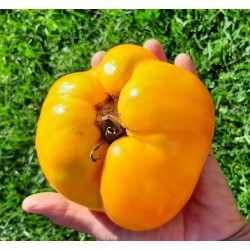
Yellow tomatoes are fully ripe when yellow, not red.
-
They can appear “underripe” to those unfamiliar with them.
-
Some yellow varieties take slightly longer to reach full flavor on the vine.
Final Thoughts
Yellow and red tomatoes aren’t competitors—they’re complements. While red tomatoes deliver bold flavor and lycopene-rich nutrition, yellow tomatoes offer sweetness, lower acidity, and culinary versatility.
Understanding their differences helps you choose the right tomato for the right dish—and appreciate just how diverse the humble tomato really is.
Related Products



Leave a Comment