
The Health Benefits of Bergamot Herb (Monarda): Nature’s Citrusy Wellness Herb
If you’ve ever savored a cup of herbal tea with a bright, citrus‑herb aroma or wandered through a summer garden filled with pollinators, you may have encountered bergamot herb (Monarda species). Not to be confused with the citrus bergamot fruit, this herb—also called bee balm or wild bergamot—offers vibrant flavor and a host of traditional health benefits rooted in herbal medicine practices.
Let’s explore how this fragrant, flowering herb can support your well‑being.
What Is Bergamot Herb?
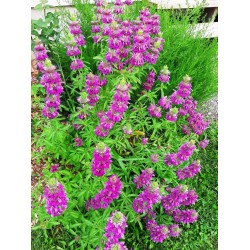
Bergamot herb (Monarda spp.) is a perennial plant in the mint family, native to North America. Its leaves, stems, and showy blossoms have a lemony–mint aroma that gives herbal brews a refreshing, citrus‑like taste. Native peoples and early herbalists long valued bergamot for both culinary and medicinal use.
1. A Soothing Herbal Tea for Relaxation
One of the most popular uses of bergamot herb is as a herbal tea—sometimes called Oswego tea in homage to Native American traditions. A warm cup can:
-
Promote a sense of calm
-
Help unwind after a long day
-
Support restful digestion
Unlike caffeinated teas, bergamot herb tea is naturally caffeine‑free, making it a gentle choice before bedtime or between meals.
2. Digestive Comfort & Support
Bergamot herb has long been used to ease digestive discomfort. Herbalists suggest it may help:
-
Reduce bloating
-
Soothe an upset stomach
-
Support healthy digestion after meals
Brewed as a mild infusion, its carminative properties (meaning it helps ease gas and cramping) make it a comforting digestive tea.
3. Natural Antibacterial and Antioxidant Properties
Like many herbs in the mint family, bergamot contains compounds that contribute:
-
Antibacterial action: Studies of mint‑family herbs suggest they can help inhibit certain microbes, making bergamot a traditional choice for oral health rinses or topical washes (properly diluted) in folk medicine.
-
Antioxidants: Plant compounds help combat oxidative stress—a key factor in aging and chronic inflammation.
These qualities make bergamot herb a valuable culinary and herbal ally.
4. Bee & Pollinator Friendly — Supporting Garden Wellness
While not a direct “health benefit” for humans, bee balm’s blossoms are magnets for:
-
Bees
-
Butterflies
-
Hummingbirds
A thriving pollinator population is vital to healthy ecosystems and local food production. Growing bergamot herb in your garden contributes to broader environmental health.
5. Uplifting Aroma for Stress Relief
Bergamot herb’s citrus‑mint scent isn’t just pleasant—aromatherapy traditions suggest that inhaling its fragrance may:
-
Promote mental clarity
-
Reduce tension
-
Support emotional balance
Whether dried for potpourri, brewed into tea, or infused in herbal steam, its aroma can be a natural mood enhancer.
How to Use Bergamot Herb
Here are simple ways to enjoy this herb’s benefits:
Tea:
Steep fresh or dried leaves and flowers in hot water for 5–10 minutes. Add honey or lemon if desired.
Culinary Uses:
Chop fresh leaves into salads, salsas, or herb butters for a citrusy, minty twist.
Herbal Steam:
Add a handful of flowers and leaves to boiling water and inhale the steam gently for a refreshing aromatic experience.
Safety & Notes
Bergamot herb is generally well tolerated, but as with all herbs:
-
Start with small amounts to assess personal tolerance
-
Consult a healthcare provider if pregnant, nursing, or taking medications
-
Avoid topical application of essential oils without proper dilution and guidance
Final Thoughts
Bergamot herb (Monarda) is a delightful blend of beauty, flavor, and wellness potential. Whether brewed as a soothing tea, added to summer salads, or cultivated to support pollinators, its citrus‑mint character makes it a standout herb for both your garden and your cup.
Next time you sip a fragrant herbal infusion, you’ll know why this bergamot plant has been cherished for generations—offering not just taste, but healthful botanical goodness.
Related Products
Leave a Comment