Health Benefits of Purslane Herb
Purslane (Portulaca oleracea) is often overlooked as a common garden weed, but this humble plant has been valued as both a food and a medicine for thousands of years. Used in traditional cuisines and healing systems around the world, purslane is now gaining attention for its impressive nutritional profile and potential health benefits.
From heart health to inflammation support, purslane is one of the most nutrient-dense leafy greens you can eat.
What Is Purslane?
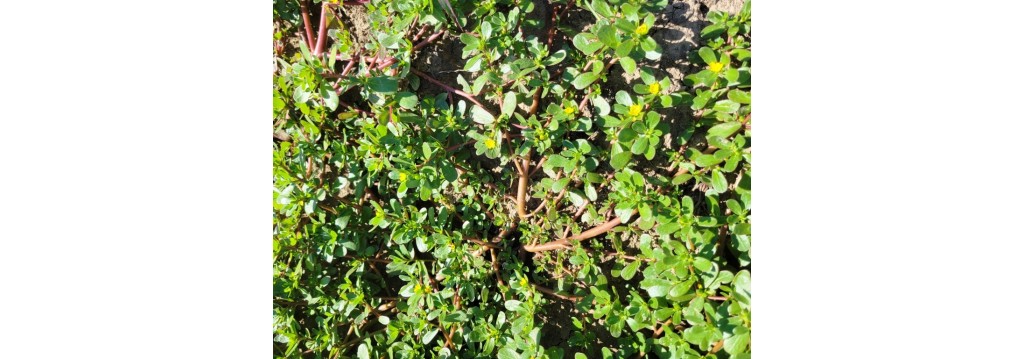
Purslane is a low-growing, succulent herb with smooth reddish stems and small, fleshy green leaves. It has a slightly tangy, lemony flavor and a crisp texture. While it grows wild in many regions, purslane is also cultivated intentionally for culinary and medicinal use.
It has been used historically in:
-
Traditional Chinese Medicine
-
Ayurveda
-
Mediterranean and Middle Eastern cuisine
1. Exceptionally Rich in Omega-3 Fatty Acids
One of purslane’s most remarkable qualities is its high omega-3 content, especially alpha-linolenic acid (ALA).
-
Contains more omega-3s than most leafy vegetables
-
Supports heart and brain health
-
Helps balance omega-6 intake in modern diets
This makes purslane especially valuable for people who eat little or no fish.
2. Powerful Antioxidant Properties
Purslane contains a wide range of antioxidants, including:
-
Vitamin C
-
Vitamin E
-
Beta-carotene
-
Glutathione
-
Flavonoids
These compounds help protect cells from oxidative stress, which is linked to aging and chronic diseases.
3. Supports Heart Health
Thanks to its combination of omega-3 fatty acids, potassium, and antioxidants, purslane may contribute to cardiovascular health by:
-
Supporting healthy cholesterol levels
-
Helping regulate blood pressure
-
Reducing inflammation in blood vessels
Traditional use and early research suggest purslane may play a role in overall heart support.
4. Anti-Inflammatory Effects
Chronic inflammation is linked to many modern health issues. Purslane contains bioactive compounds that may help:
-
Reduce inflammatory markers
-
Support joint comfort
-
Calm inflammation-related digestive discomfort
This may explain why purslane has long been used in traditional remedies for inflammatory conditions.
5. Supports Digestive Health
Purslane is a good source of dietary fiber and mucilage (a gel-like substance), which can:
-
Support regular digestion
-
Help soothe the digestive tract
-
Promote healthy gut function
Its mild laxative effect has been noted in traditional medicine systems.
6. May Help Regulate Blood Sugar
Some studies suggest that purslane may help:
-
Improve insulin sensitivity
-
Support balanced blood sugar levels
This has made it a subject of interest for people managing metabolic health, though more human research is still needed.
7. Rich in Vitamins and Minerals
Purslane provides an impressive array of micronutrients, including:
-
Vitamin A (from beta-carotene)
-
Vitamin C
-
Magnesium
-
Potassium
-
Iron
-
Calcium
Despite its delicate appearance, purslane is one of the most nutrient-dense greens available.
8. Skin and Eye Health Benefits
The antioxidants and vitamin A content in purslane may help:
-
Support healthy skin
-
Protect against oxidative skin damage
-
Promote eye health and vision
Historically, purslane was used topically to soothe skin irritations and minor wounds.
How to Use Purslane
Purslane can be eaten:
-
Raw in salads
-
Lightly sautéed
-
Added to soups and stews
-
Blended into pesto or smoothies
-
Pickled or cooked like spinach
Its slight crunch and lemony flavor make it versatile in both fresh and cooked dishes.
Is Purslane Safe to Eat?
Purslane is generally safe when consumed as food. However:
-
It contains oxalates, so moderation is advised for those prone to kidney stones
-
Always properly identify wild purslane to avoid toxic look-alikes
-
Wash thoroughly before eating
Final Thoughts
Purslane may be small and often overlooked, but it’s a nutritional powerhouse. Rich in omega-3 fatty acids, antioxidants, and essential minerals, this ancient herb supports heart health, digestion, and overall wellness.
Whether foraged or grown intentionally, purslane deserves a place on your plate—and in your herbal knowledge base.
Related Products

Leave a Comment